What is Meningitis?
Meningitis: Know the Risks, Recognize the Signs, Protect Your Health
What is Meningitis?
Meningitis is a serious inflammation of the membranes (meninges) that surround and protect the brain and spinal cord. It can be caused by bacteria, viruses, fungi, and other organisms. Some forms can develop rapidly and become life-threatening, making early recognition and treatment critical.
Meningitis can affect anyone. Depending on the cause, certain groups—including infants, children, adolescents and young adults, older adults, and people with weakened immune systems—may be at greater risk.
Bacterial Meningitis
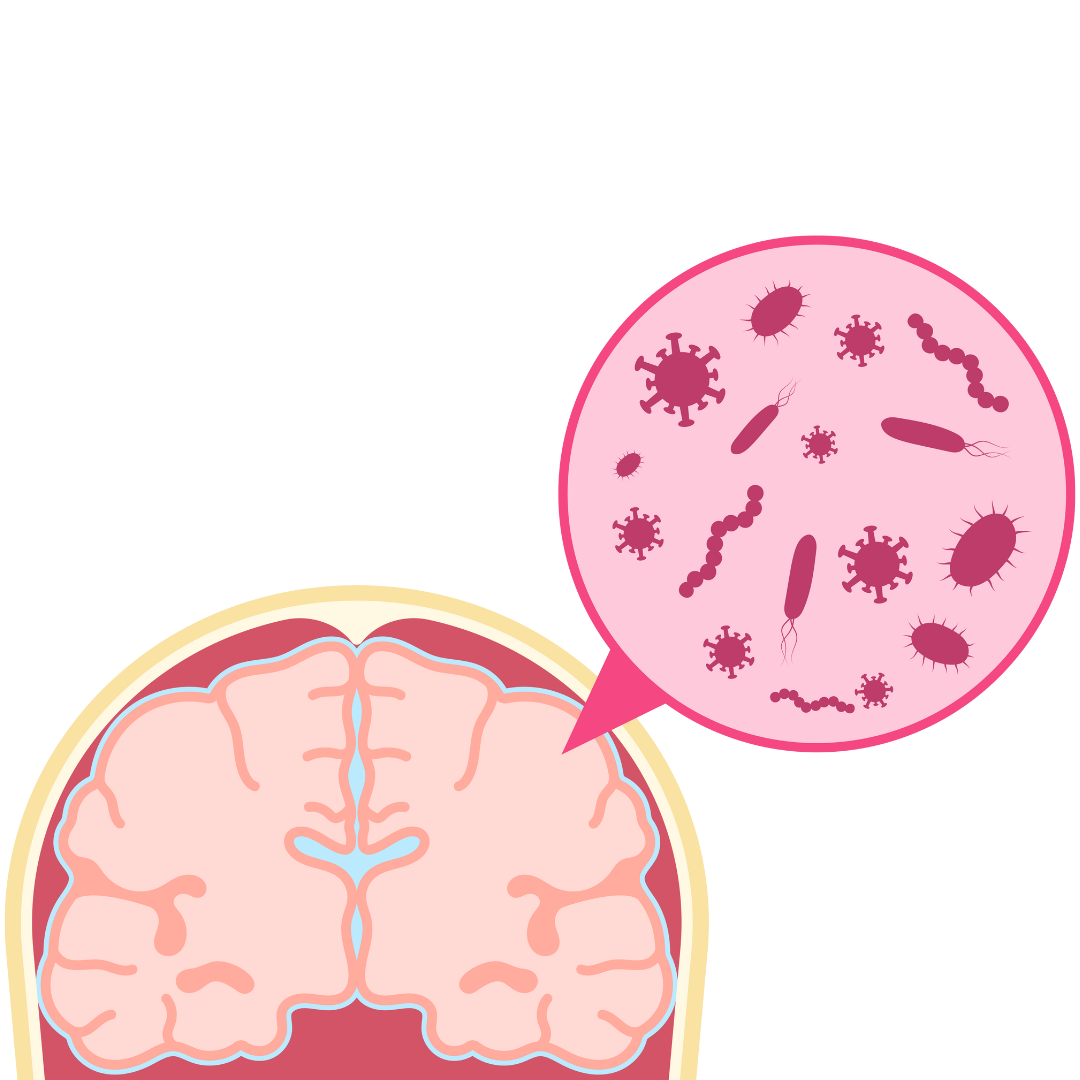
Bacterial meningitis is one of the most serious forms of meningitis. It occurs when bacteria enter the bloodstream and reach the membranes surrounding the brain and spinal cord. The infection can progress quickly and may cause severe complications, including neurological damage, hearing loss, disability, or death.
Pneumococcal Meningitis
Pneumococcal meningitis is a form of bacterial meningitis caused by pneumococcal bacteria. Pneumococcus is one of several bacteria known to cause meningitis and can result in severe illness and long-term complications. Vaccination can help protect against certain types of pneumococcal disease.
Viral Meningitis
Viral meningitis is caused by a viral infection and accounts for many cases of meningitis. Many different viruses can cause it, and exposure to these viruses does not necessarily mean a person will develop meningitis. Viral meningitis is often less severe than bacterial meningitis, but symptoms should still be assessed promptly by a healthcare professional.
Fungal Meningitis
Fungal meningitis is a rare form of meningitis caused by certain fungal infections. It is more likely to affect people with weakened immune systems or specific underlying health conditions. Because fungal meningitis can be serious, diagnosis and appropriate medical treatment are essential.
Meningitis and Sepsis
Some bacterial infections that cause meningitis can also enter the bloodstream and lead to sepsis (sometimes referred to as septicemia). This can happen with or without meningitis and may progress extremely quickly. Meningitis Foundation Canada emphasizes that suspected meningitis or septicemia requires urgent medical attention.
KNOW THE SIGNS
Recognizing Meningitis Early Can Save Lives
Symptoms can appear suddenly and progress quickly.
Common warning signs include:

High fever

Severe headache

Stiff neck

Sensitivity to light

Nausea or vomiting

Confusion

Drowsiness

Purple rash (in some cases)
Infants may display different symptoms, including poor feeding, irritability, unusual sleepiness, or a bulging soft spot.
Causes of Meningitis
Most cases of bacterial meningitis are caused by three different bacteria:
- Haemophilus influenzae type b (Hib)
- Pneumococcus (Pnc)
- Meningococcus
Bacterial meningitis is a very serious infection of the fluid and membranes covering the brain and spinal cord. Despite prompt diagnosis and treatment, death and brain damage in survivors is common.
Meningococcal disease is a serious, life-threating disease that requires immediate medical attention. There are several serogroups of meningococcal disease, six of which cause most invasive disease worldwide (A, B, C, W, X and Y).

How To Prevent Meningitis
Take Action Today
Awareness saves lives. Learn how to protect yourself and your loved ones from meningitis through education, vaccination, and early action.
Vaccinate
Ensure you and your family are up to date on all recommended vaccines.
Recognize Symptoms
Understand the warning signs of meningitis and be prepared to act quickly.
Spread Awareness
Share this page and talk to others about the importance of meningitis prevention.
Take the First Step – Protect Your Family Today
Your family's health is in your hands. Start by learning the symptoms of meningitis and exploring vaccination options to safeguard your loved ones from this life-threatening illness. Early action can make all the difference – take the first step today.